Written byLucienUpdated on Sep 23, 2026

Before we start: How to boot from external drive? First, you need to clone the system to the external drive first. Donemax Disk Clone offers the best system migrating solution. The software can clone the system dive and make your external hard drive bootable without reinstalling Windows or macOS, then you can change to boot from USB external hard drive.
PAGE CONTENT:
Have you ever wanted to carry your entire computer setup—complete with your Operating System, personal settings, desktop layout, and essential apps—on a portable SSD or hard drive? Or maybe your internal drive is acting up, running out of space, or you simply want a emergency bootable backup in case your system crashes?
Knowing how to boot from external hard drive devices gives you an instant fallback plan. Whether your internal drive fails or you want to upgrade your PC/Mac performance using an external high-speed NVMe SSD, booting directly from an external drive is the ultimate system backup and mobility solution.
In this comprehensive guide, we will show you step-by-step how to clone operating system to an external hard drive and configure your system BIOS/UEFI or Mac Boot Manager so you can easily boot from external hard drive whenever you need to.
Before diving into the step-by-step instructions, let's look at why setting up an external bootable drive is one of the smartest things you can do for your computer:
To successfully clone your operating system and boot from your external drive, make sure you have the following ready:
To make an external hard drive bootable, you must create a exact bit-by-bit replica of your internal system drive, including the boot sector, hidden EFI partitions, operating system files, and user data. Donemax Disk Clone simplifies this process into just a few clicks.
Step 1: Download and Install Donemax Disk Clone
Download and install Donemax Disk Clone on your Windows PC or Mac. Connect your external hard drive or SSD to your computer using a reliable USB or Thunderbolt cable.
Step 2: Select 'Disk Clone' Mode
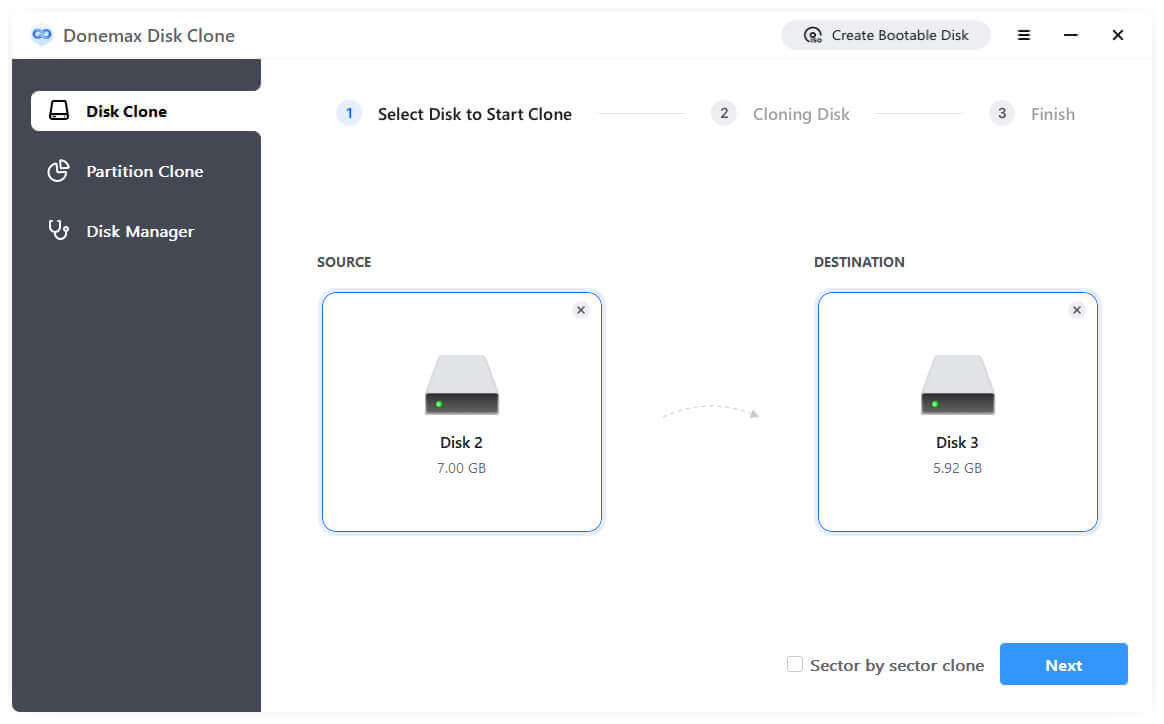
Launch Donemax Disk Clone. The software offers intuitive modes tailored to your needs. To make a bootable clone for system disk, choose Disk Clone to make an copy of the entire system disk.
Select your connected external hard drive as the destination disk. Confirm that you have selected the correct disk, as all existing data on the destination drive will be formatted during cloning.
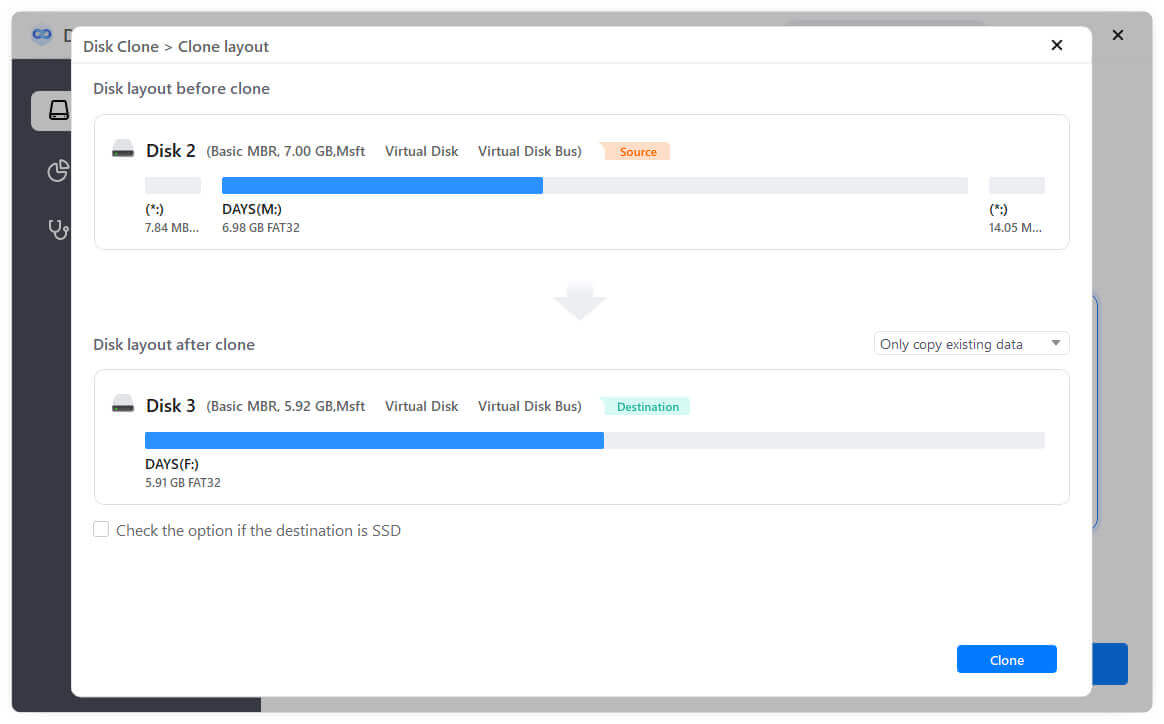
Step 3: Preview the Destination Disk Layout
Before run the cloning process, you can preview the layout of the destination disk. You can also change the layout if necessary. Also, don't forget the option for SSD.
Step 4: Execute the Bootable Cloning Process
Click 'Clone' button to start cloning system to external drive. Donemax Disk Clone will transfer your OS, boot records, system settings, programs, and files to the external hard drive. Once completed, your external hard drive is officially a bootable system drive!
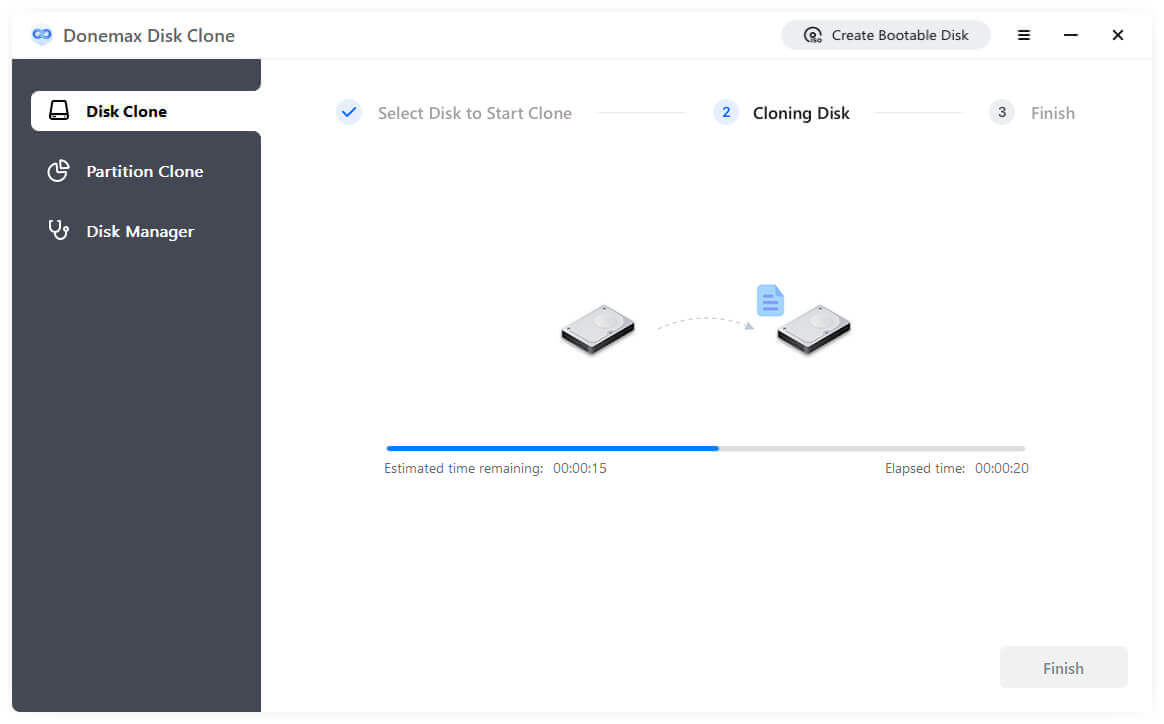
Once the cloning process finishes, you need to tell your computer to boot from the external drive instead of the internal disk. Here are two easy ways to do it on Windows:
Method 1: Use the Temporary Boot Menu Key (Recommended)
This is the easiest option if you only want to boot from external hard drive once or occasionally.
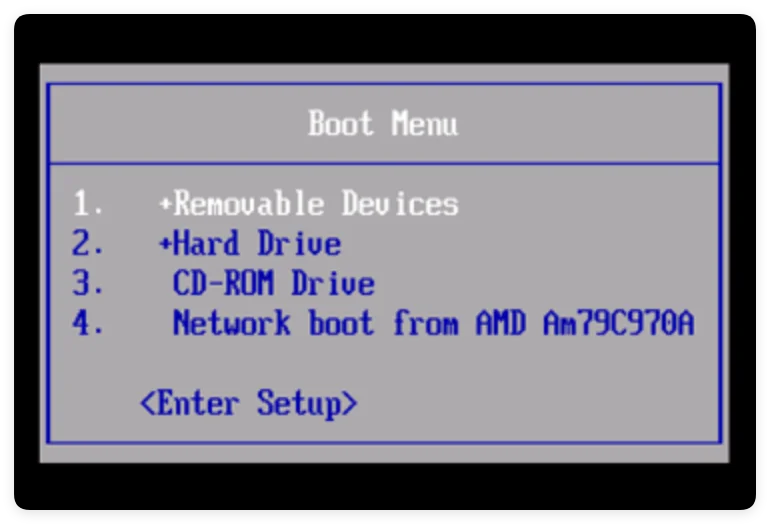
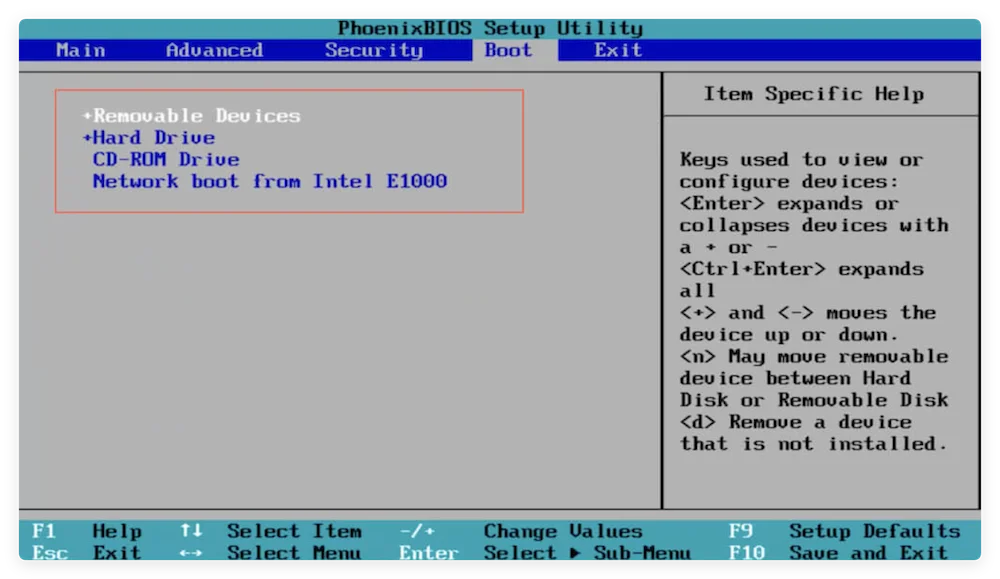
Method 2: Change Boot Order in BIOS/UEFI Settings
If you want your computer to always boot from the external hard drive whenever it is plugged in:
Booting a Mac from an external drive is smooth and straightforward, whether you are using an Intel-based Mac or an Apple Silicon (M1/M2/M3/M4/M5/M6) Mac.
For Apple Silicon Macs:
Note: You may need to grant startup permissions in Startup Security Utility via macOS Recovery if Startup Disk security is enabled.
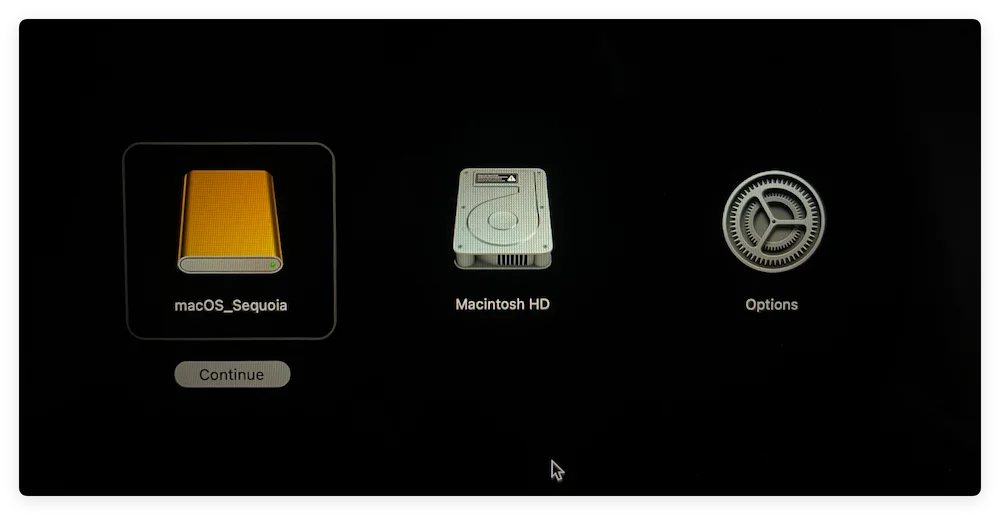
For Intel-Based Macs:
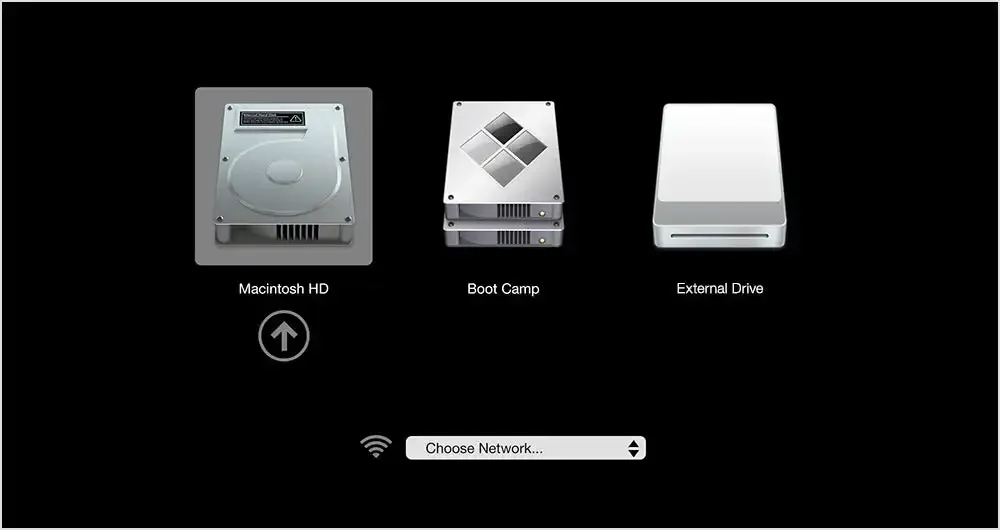
If your computer fails to boot from external hard drive, check these common causes and quick fixes:
Learning how to boot from external hard drive is an essential skill for system maintenance, emergency recovery, and system migration. By taking a few minutes to clone OS to an external hard drive using Donemax Disk Clone, you gain a reliable, full-featured bootable copy of your entire system that you can rely on whenever disaster strikes.
Ready to secure your operating system and create your portable bootable drive? Download Donemax Disk Clone today and set up your bootable external drive in just a few simple steps!
Donemax Disk Clone
An award-winning disk cloning program to help Windows users and Mac users clone HDD/SSD/external device. It also can create full bootable clone backup for Windows PCs and Macs.
Lucien
Lucien is a writer and a chief programmer of Donemax software who has worked in the company for 5+ years. He has written much of the content on the site and devotes to providing troubleshooting and solution for Windows and Mac users including disk cloning, data recovery, migration, eraser, error fixes.
Gerhard Chou
In order to effectively solve the problems for our customers, every article and troubleshooting solution published on our website has been strictly tested and practiced. Our editors love researching and using computers and testing software, and are willing to help computer users with their problems