
Written byCharlesUpdated on Aug 05, 2026

Before we start: Due to some problems, the external hard drive may not be readable on macOS 27 Golden Gate. If the data on the drive is very important, before you fixing the issue, it's necessary to recover the data first. Donemax Data Recovery for Mac can help you recover the files in such a case.
PAGE CONTENT:
Upgrading to macOS 27 Golden Gate brings exciting system improvements, enhanced security, and fluid performance. However, some users encounter an unexpected problem right after updating: their external hard drive is unreadable on macOS 27 Golden Gate.
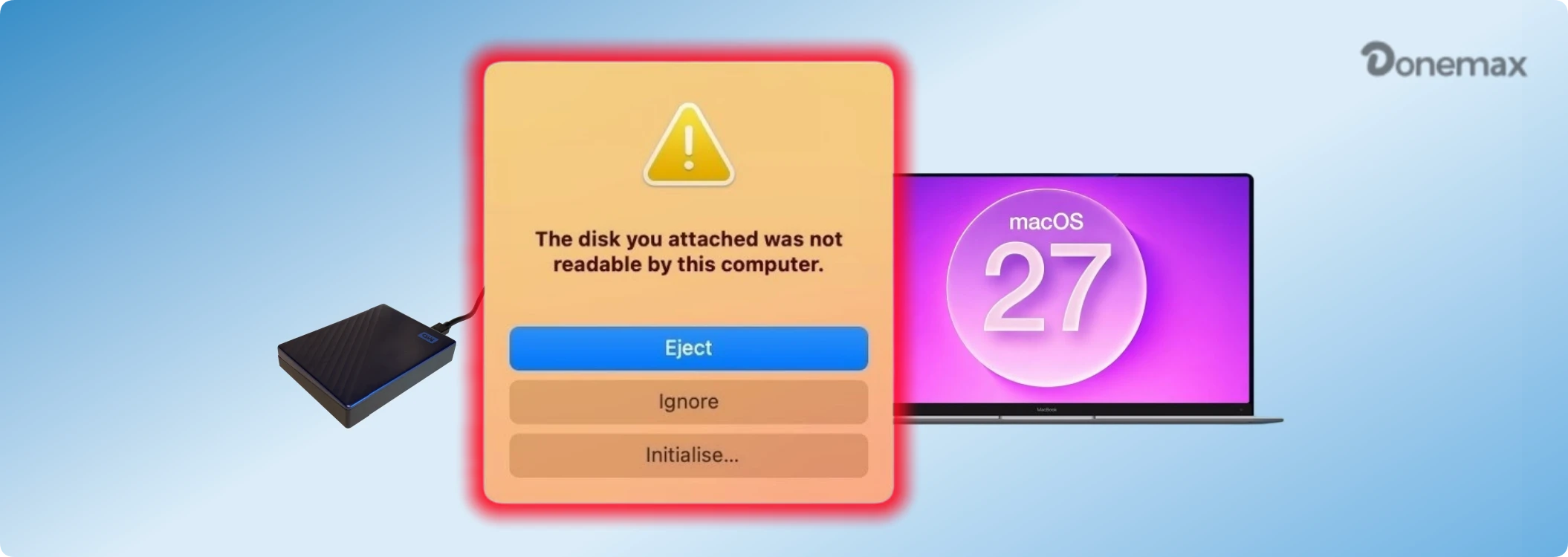
When you plug in your external hard drive, SSD, or USB flash drive, macOS may throw a error pop-up stating 'The disk you attached was not readable by this computer.' In other cases, the drive simply fails to appear in Finder or on your desktop.
If you are facing this issue, do not panic. This guide explains why your external hard drive becomes unreadable on macOS 27 Golden Gate, how to safely recover your important files using Donemax Data Recovery for Mac, and step-by-step methods to fix the drive so it works smoothly again.
When an external storage device becomes unreadable on macOS 27 Golden Gate, the cause usually ranges from simple connection glitches to updated system permissions or drive corruption. Here are the most common reasons:
Before attempting any repair methods—especially those involving formatting or First Aid disk modifications—your highest priority should be protecting your stored files. Attempting repairs on an unstable drive can sometimes worsen data loss.
If your external hard drive is unreadable on macOS 27 Golden Gate but still recognized physically by your Mac, Donemax Data Recovery for Mac can scan the drive and recover your documents, photos, videos, and music safely.
Step 1: Download and Install: Download Donemax Data Recovery for Mac and install it on your Mac.
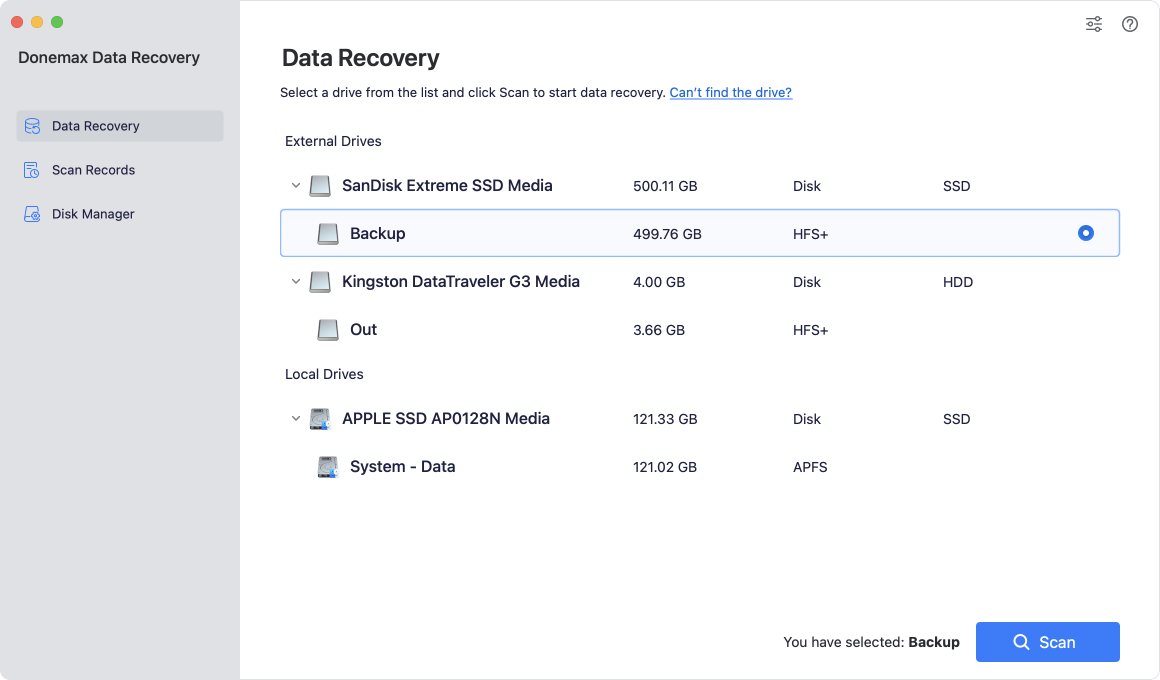
Step 2: Connect and Select Drive: Connect your unreadable external hard drive to your Mac. Open Donemax Data Recovery, select your external drive from the list, and click 'Scan'.
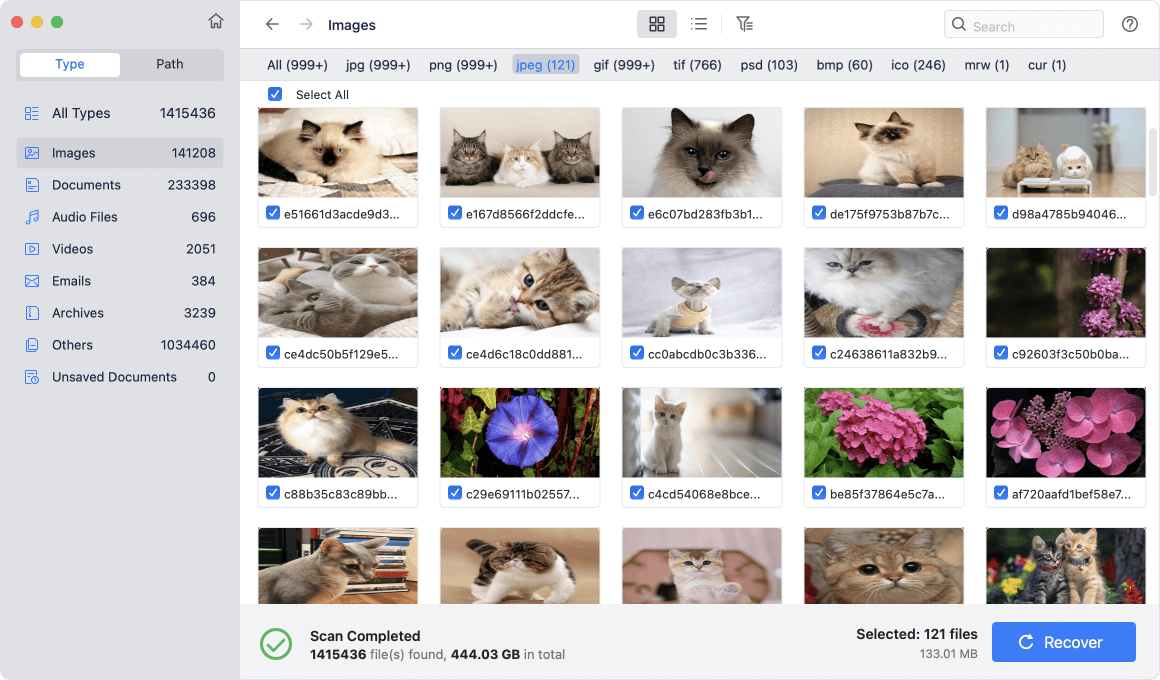
Step 3: Preview and Filter: Once the scan completes, browse through the found files. Use the preview feature to verify your photos, documents, and media.
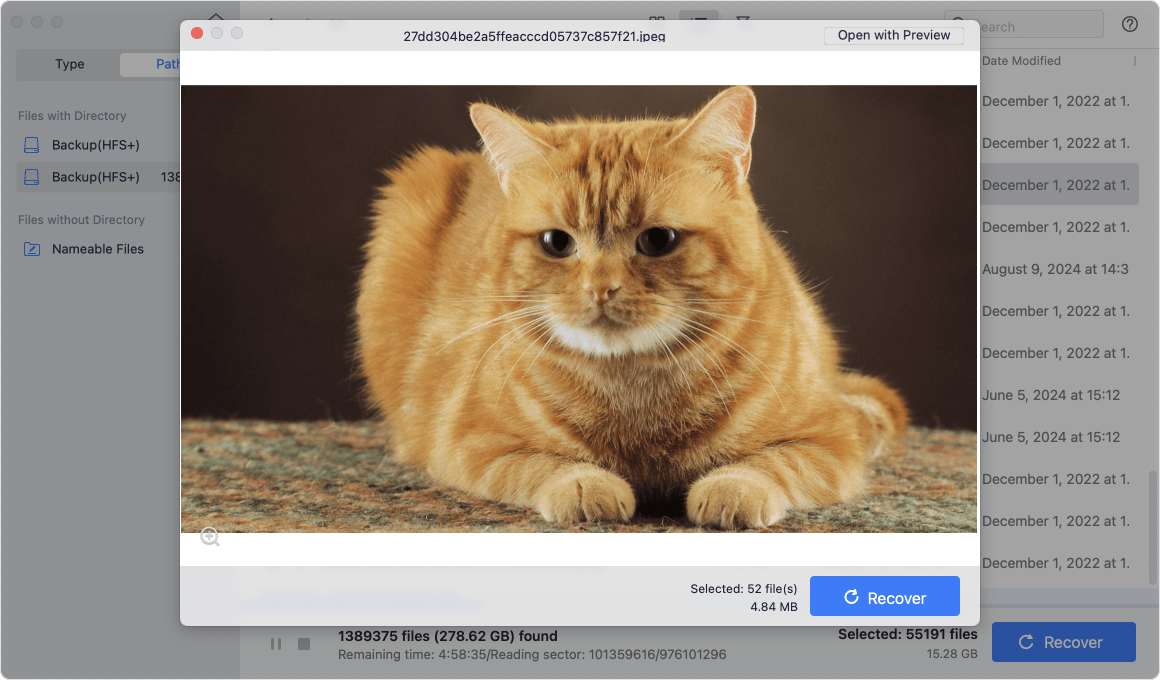
Step 4: Recover and Save: Select the files you wish to restore, click 'Recover', and save them to a safe location on your Mac's internal storage or a different working drive.
Once your important files are safely backed up, you can proceed with these effective troubleshooting methods to make your external drive readable again.
Sometimes the simplest fix is the most effective. Connection glitches can cause macOS to misinterpret drive communications.
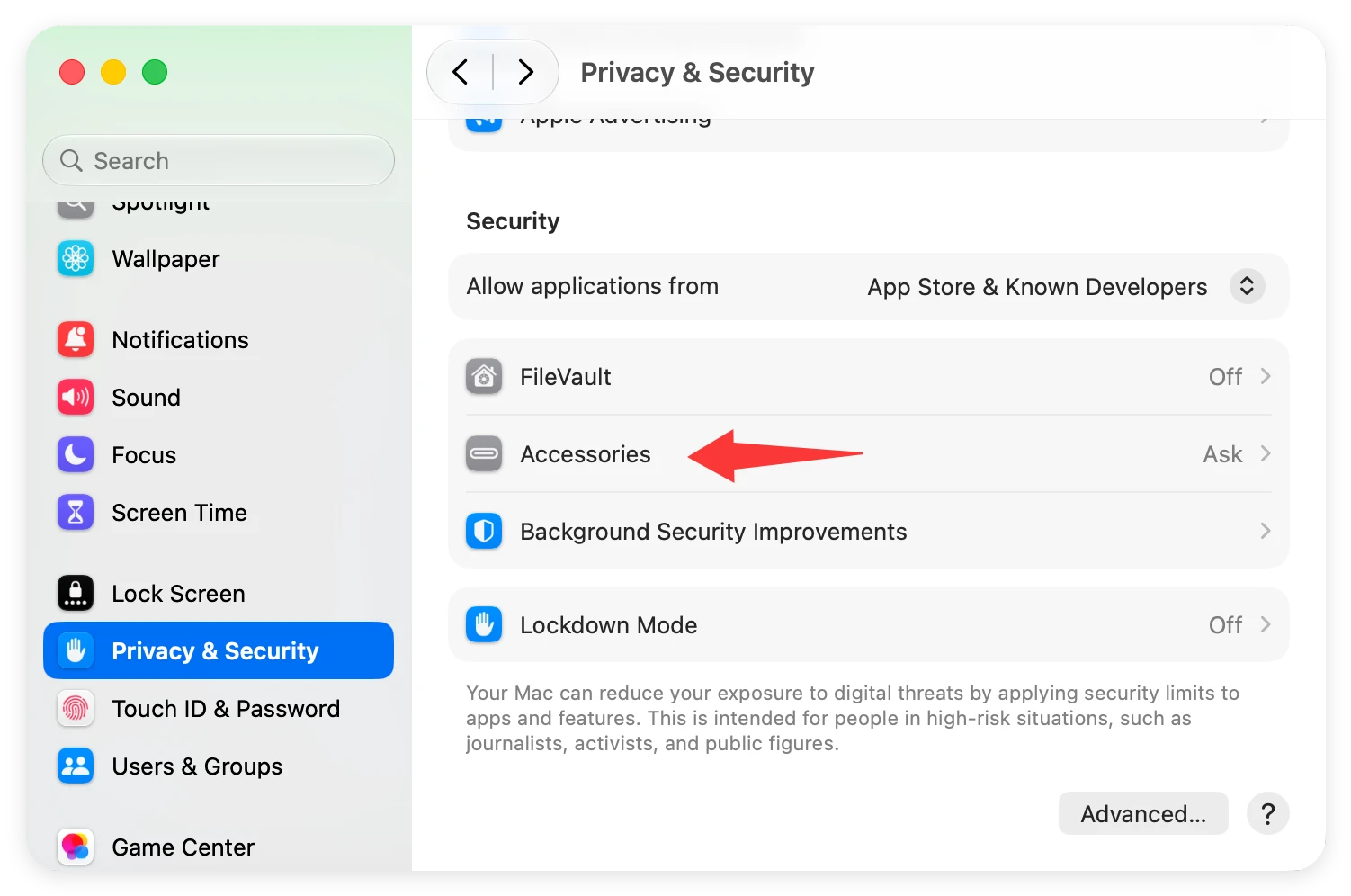
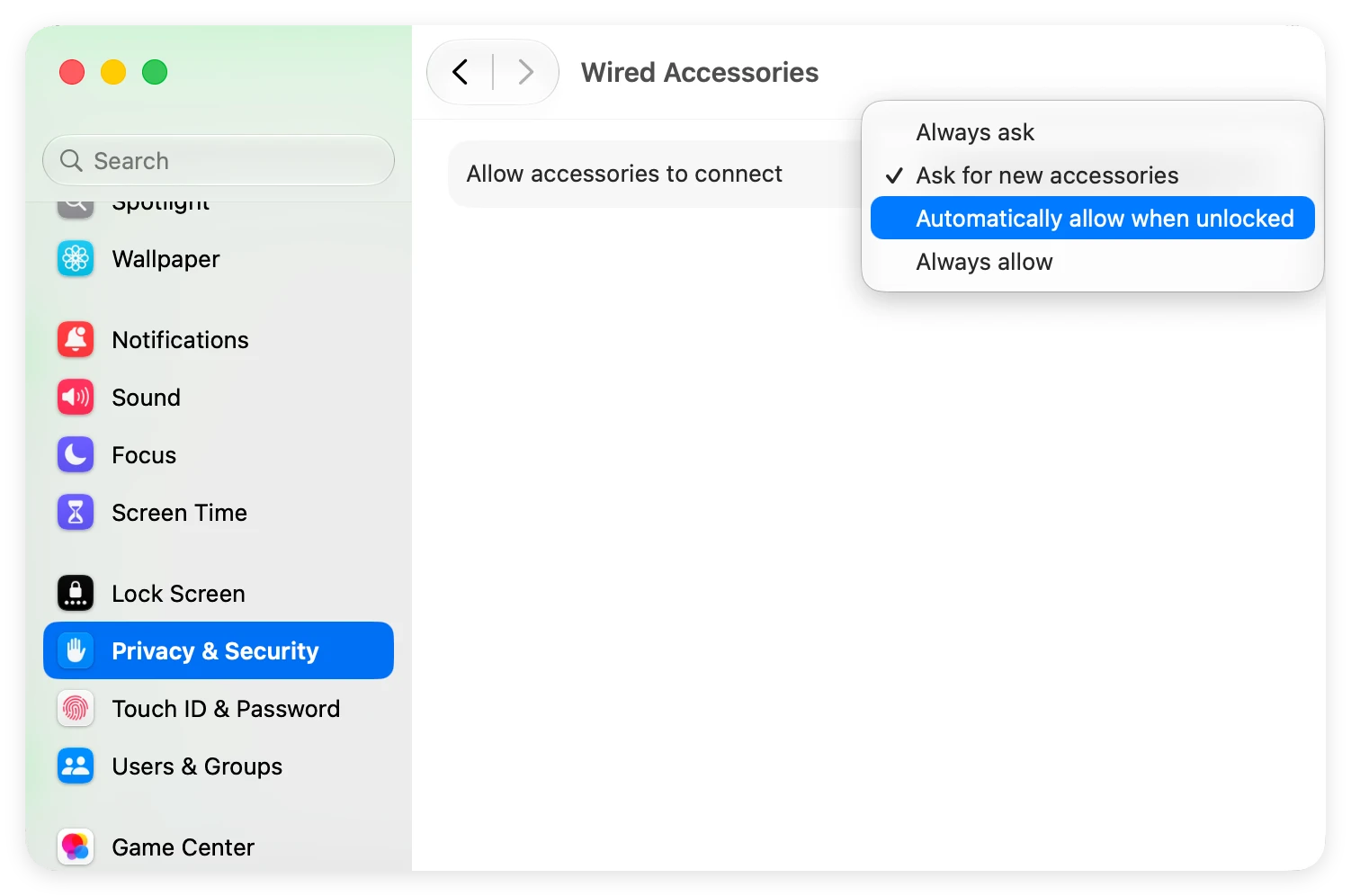
macOS 27 Golden Gate features strict security protocols regarding external hardware access.
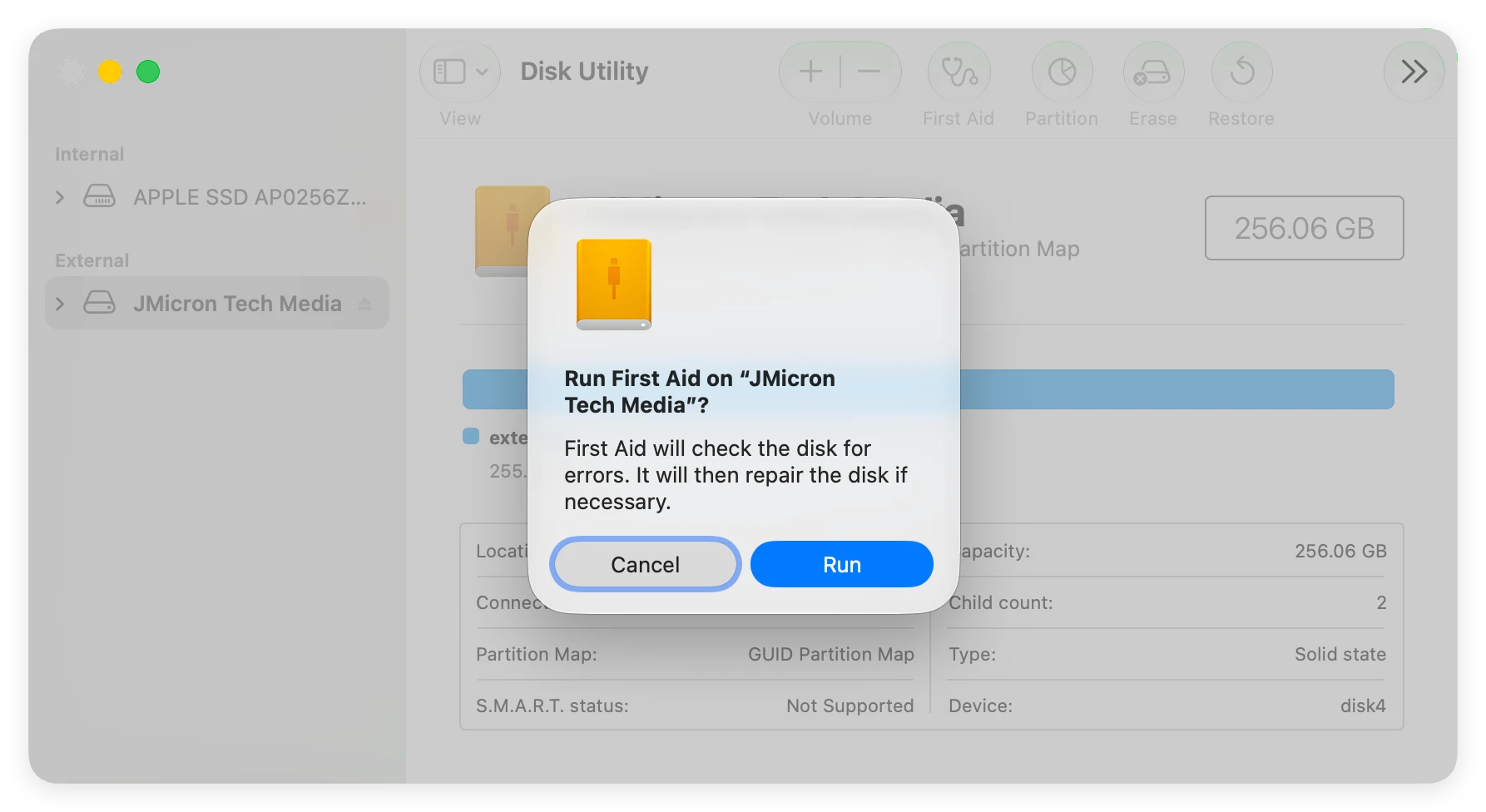
macOS includes a built-in repair tool called First Aid inside Disk Utility. It can scan external drives for file system errors and attempt automatic repairs.
If Disk Utility cannot mount the drive normally, you can attempt to force mount it using macOS command line options.
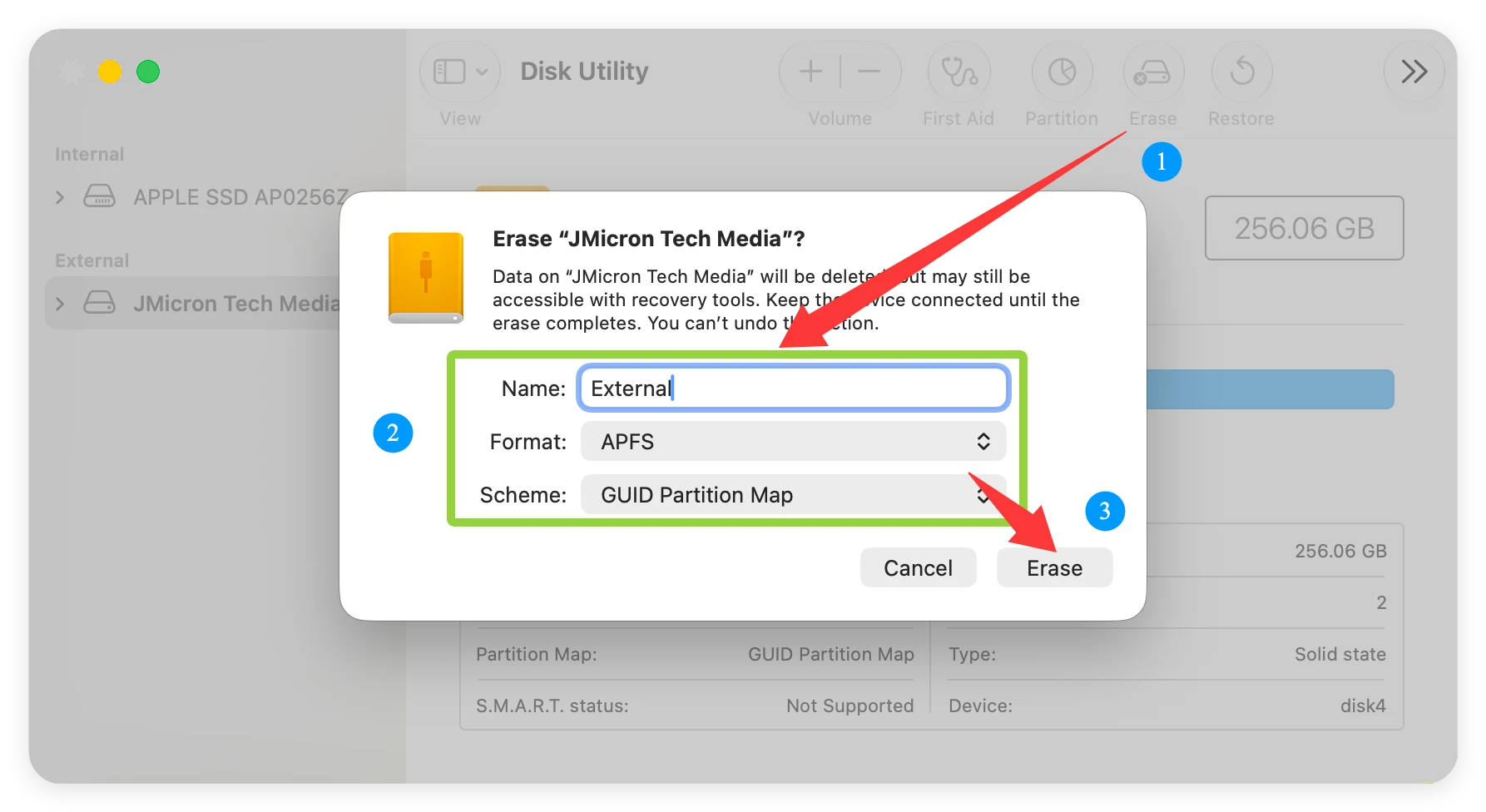
If the file system on your external hard drive is severely damaged and First Aid fails, reformatting will restore the drive to working condition by creating a fresh file system structure.
💡 Warning: Reformatting erases all contents on the drive. Ensure you have recovered your data using Donemax Data Recovery for Mac before performing this step.
Encountering an unreadable external hard drive on macOS 27 Golden Gate can be alarming, but it is completely solvable. By following a structured approach—recovering your files first before attempting system repairs—you can protect your data while restoring your drive.
If your drive holds irreplaceable files, download Donemax Data Recovery for Mac right away to scan and restore your documents, photos, and videos. Once your data is safe, toolsets like Disk Utility or reformatting will have your drive working smoothly on macOS 27 Golden Gate in no time.
Donemax Data Recovery for Mac
Donemax Data Recovery for Mac is one of the best Mac data recovery software. It is easy-to-use and can help in recovering deleted, formatted, inaccessible or lost data from Mac HDD/SSD, external disk, USB drive, SD card, camera or other storage devices.
Charles
Charles, who lives in Sydney, Australia, is an editor & writer of Donemax Team. He is good at writing articles related with Apple Mac computers, Windows operating systems, data recovery, data erasure, disk clone and data backup, etc. He loves reading and playing tennis in his spare time and is interested in testing new digital devices such as mobile phones, Macs, HDDs, SSDs, digital cameras, etc.
Gerhard Chou
In order to effectively solve the problems for our customers, every article and troubleshooting solution published on our website has been strictly tested and practiced. Our editors love researching and using computers and testing software, and are willing to help computer users with their problems