
Written byChristinaUpdated on Jun 08, 2026

Before we start: When there are issues with Seagate or WD external drive and cause the drive running slow, be careful if there are important files on the drive. If needed, use Donemax Data Recovery to rescue the files before fixing the drive issues.
PAGE CONTENT:
External hard drives, such as those from Seagate and Western Digital (WD), are indispensable tools for data storage and backup. However, over time, you may notice that your once-speedy device has become frustratingly slow. Slow external hard drives can disrupt workflows, increase the risk of data corruption, and make simple tasks like file transfers agonizingly slow.
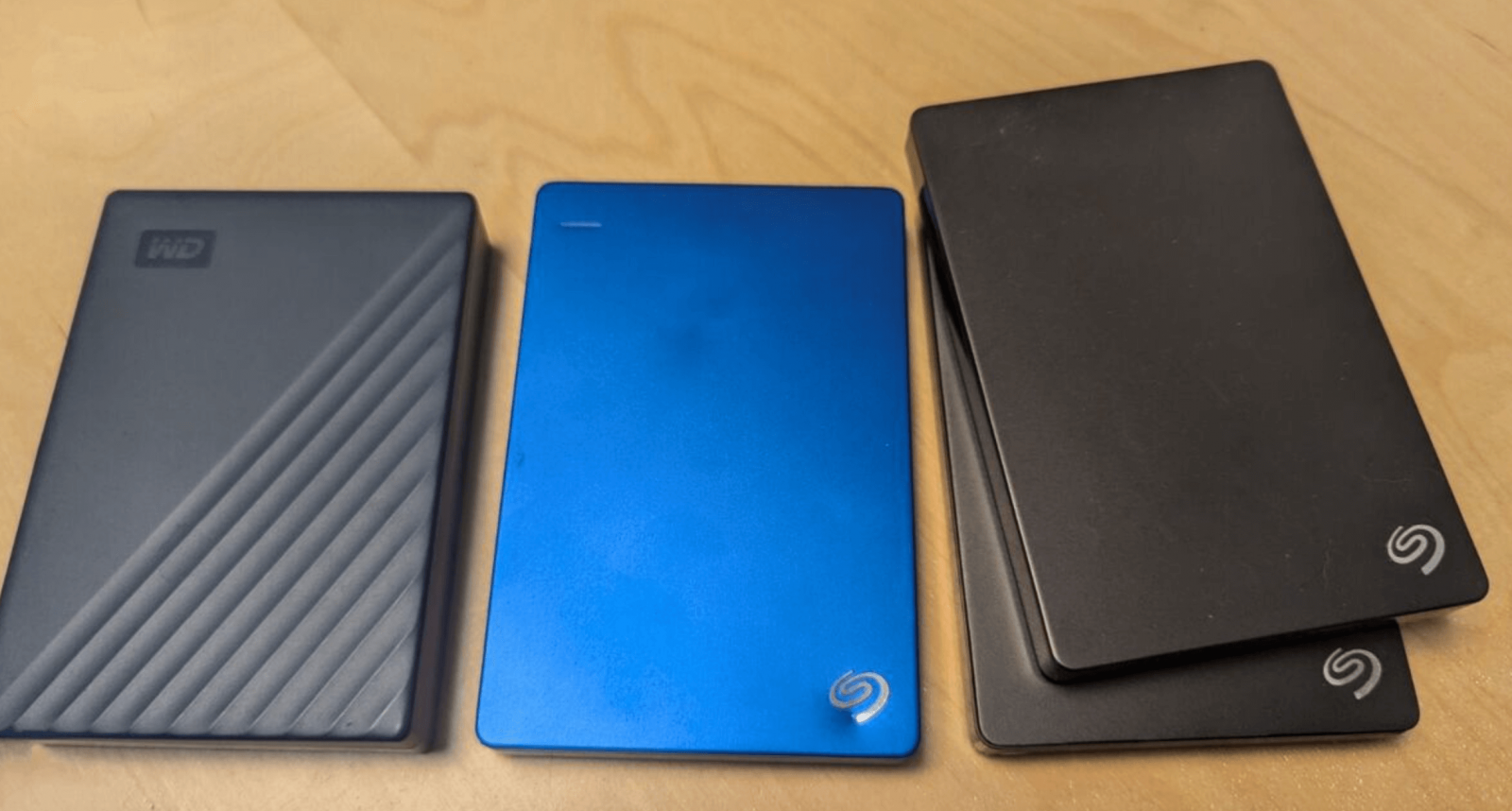
In this guide, we will explore the various causes behind a sluggish Seagate or WD external hard drive and present a range of effective solutions to help you restore optimal performance. Whether your hard drive is brand new or has years of use, these tips will be helpful in ensuring your device functions at peak efficiency.
One of the easiest and most overlooked fixes is ensuring that you're using the right cable and port. Many older computers only have USB 2.0 ports, which are significantly slower than USB 3.0 or USB-C ports. If your external hard drive supports the faster standard, make sure it's plugged into the appropriate port.
What You Can Do:
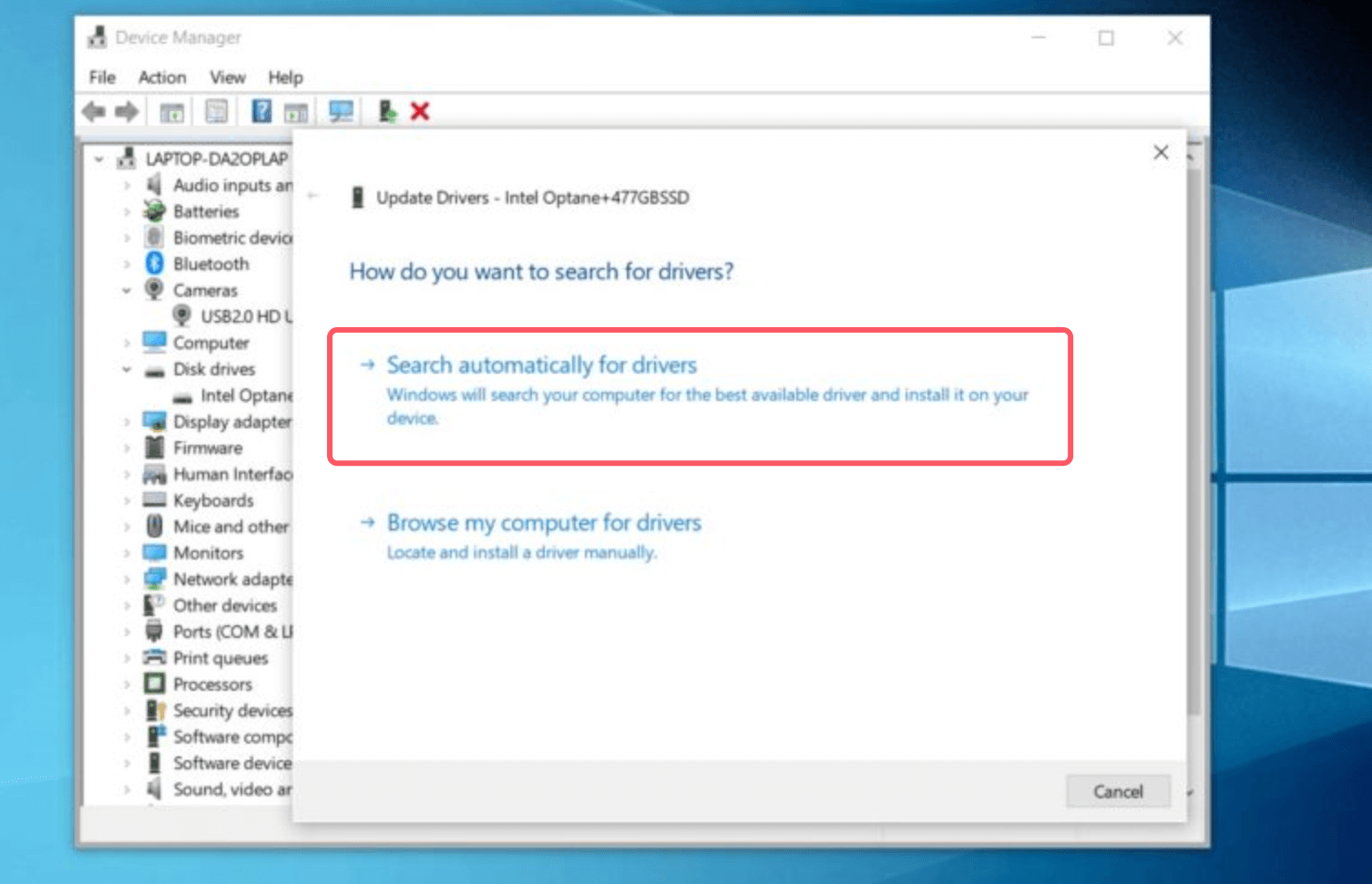
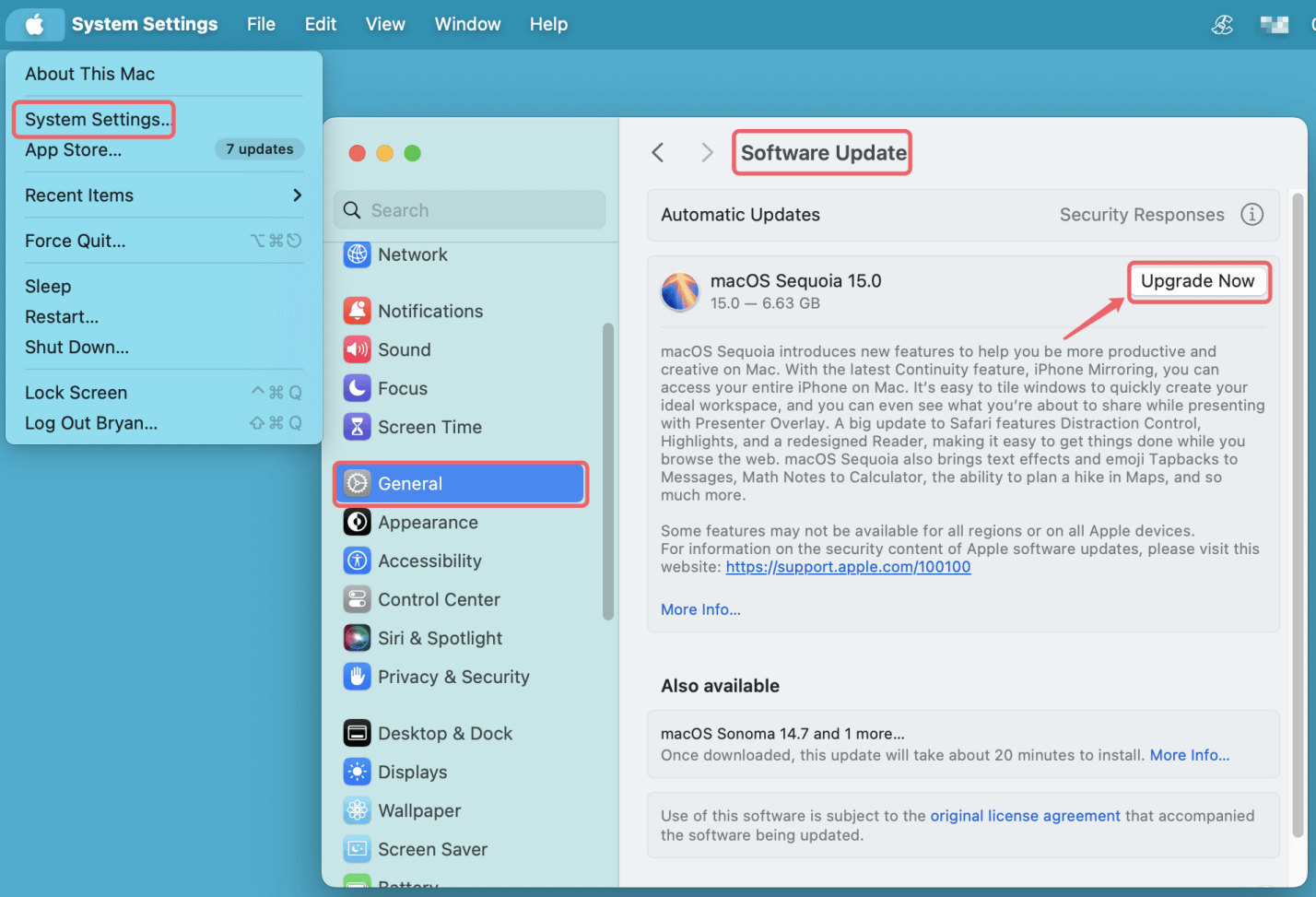
Outdated drivers can create performance issues with your external hard drive. Updating the drivers can resolve compatibility problems and improve speed.
Windows Users:
Mac Users:
If updating doesn't work, you can also try uninstalling the drive in Device Manager and then reconnecting it. This will cause Windows to reinstall the default drivers for the device.
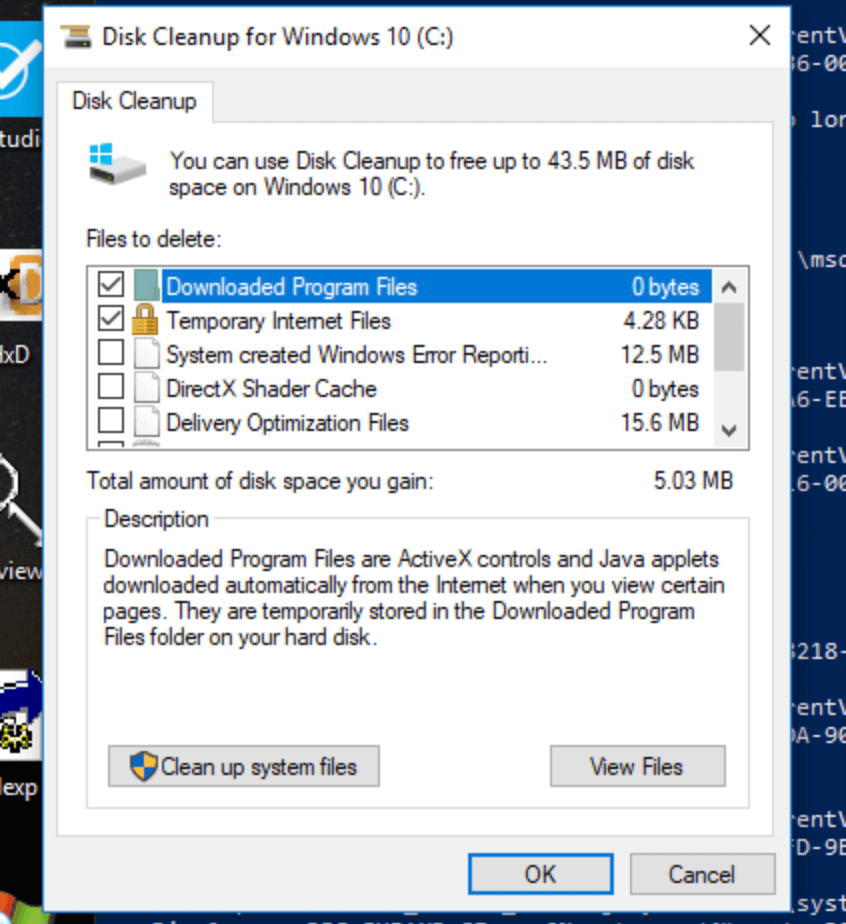
If your hard drive is filled with unnecessary temporary files or fragmented data, using built-in tools like Disk Cleanup and Defragmentation can help speed things up.
Disk Cleanup:
Disk Defragmentation:
While SSDs don't require defragmentation, traditional HDDs do.
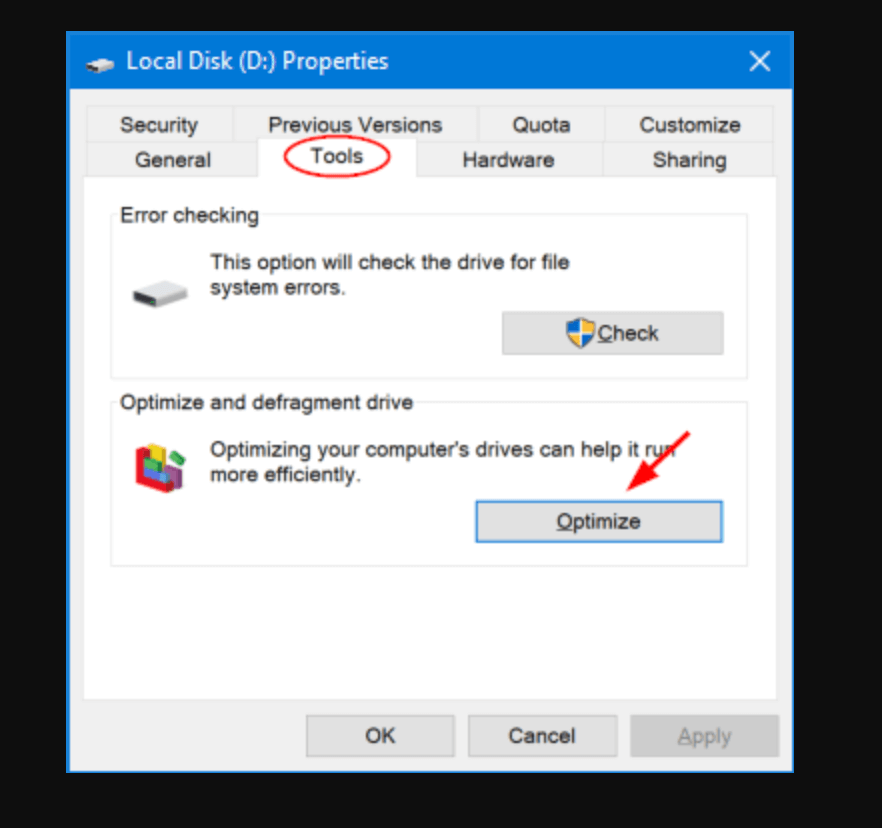
💡 Note: If your drive is a solid-state drive (SSD), do not defragment it. Instead, Windows should automatically run the "Optimize" function.
Sometimes malware can slow down not just your computer, but also connected external devices. Running a malware scan can help resolve this.
Use Anti-Malware Software:
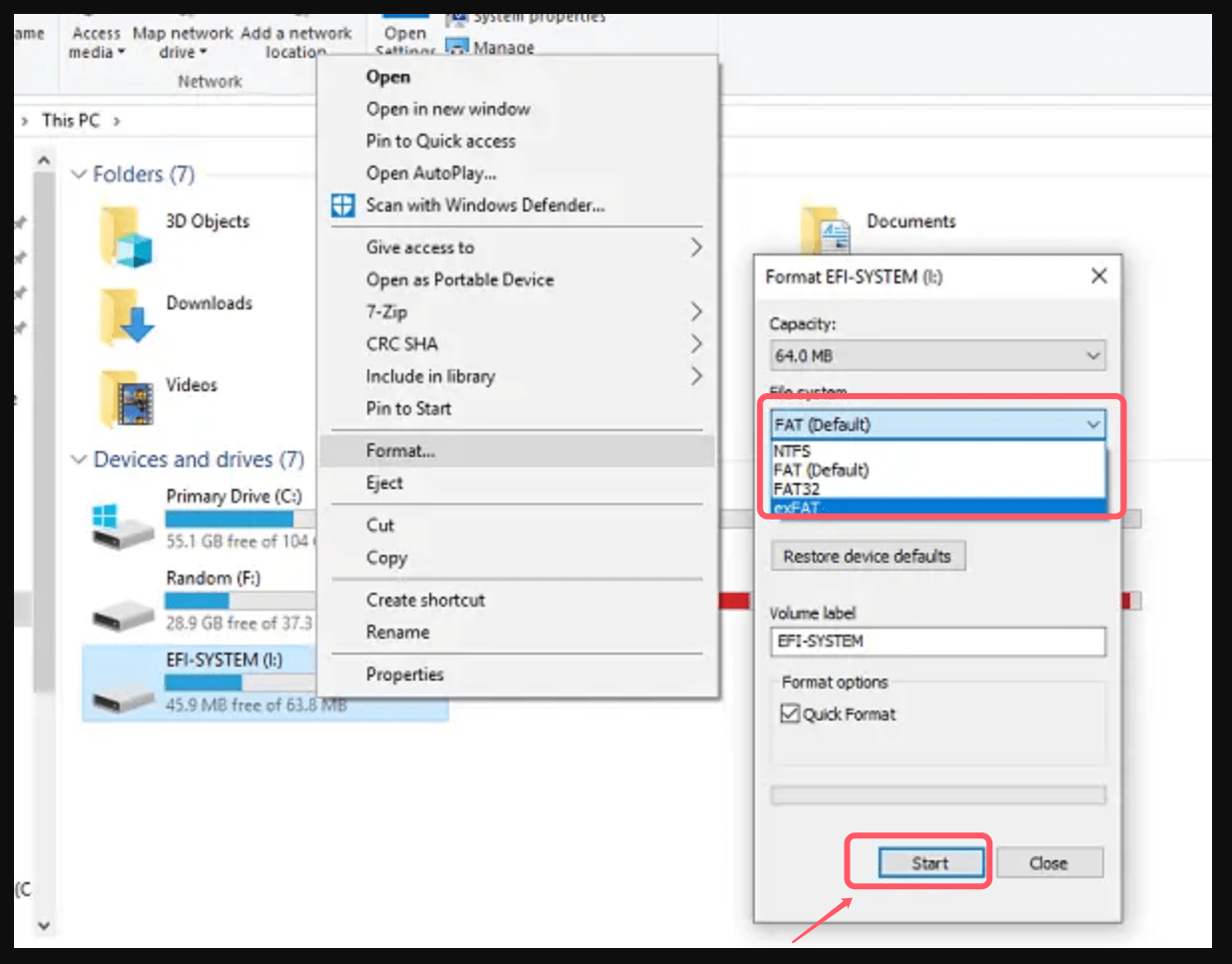
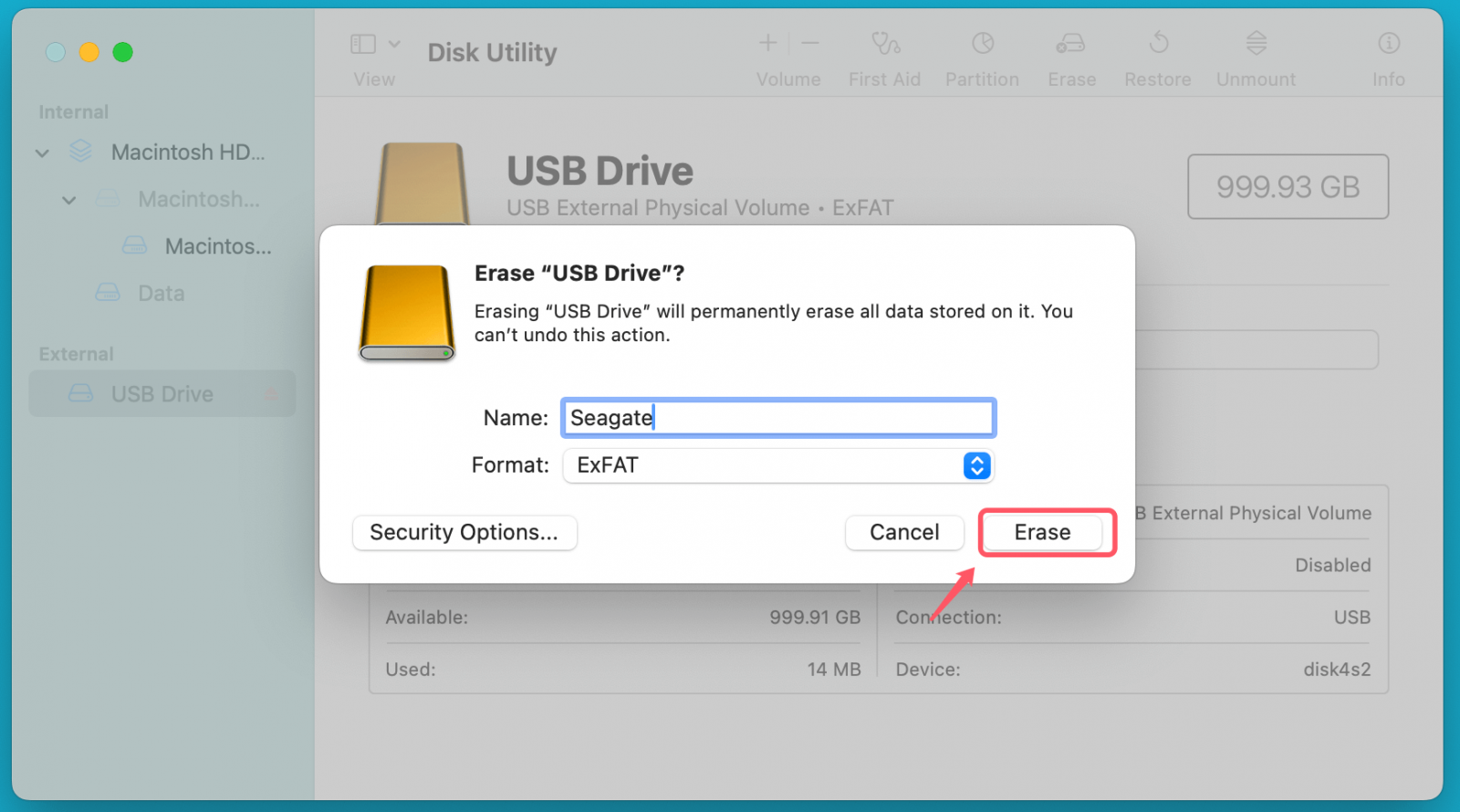
Reformatting your hard drive can dramatically improve its speed by clearing out any corrupted or conflicting files. Before continuing, be sure to backup any vital files because doing so will remove all data from the device.
Windows Users:
Mac Users:
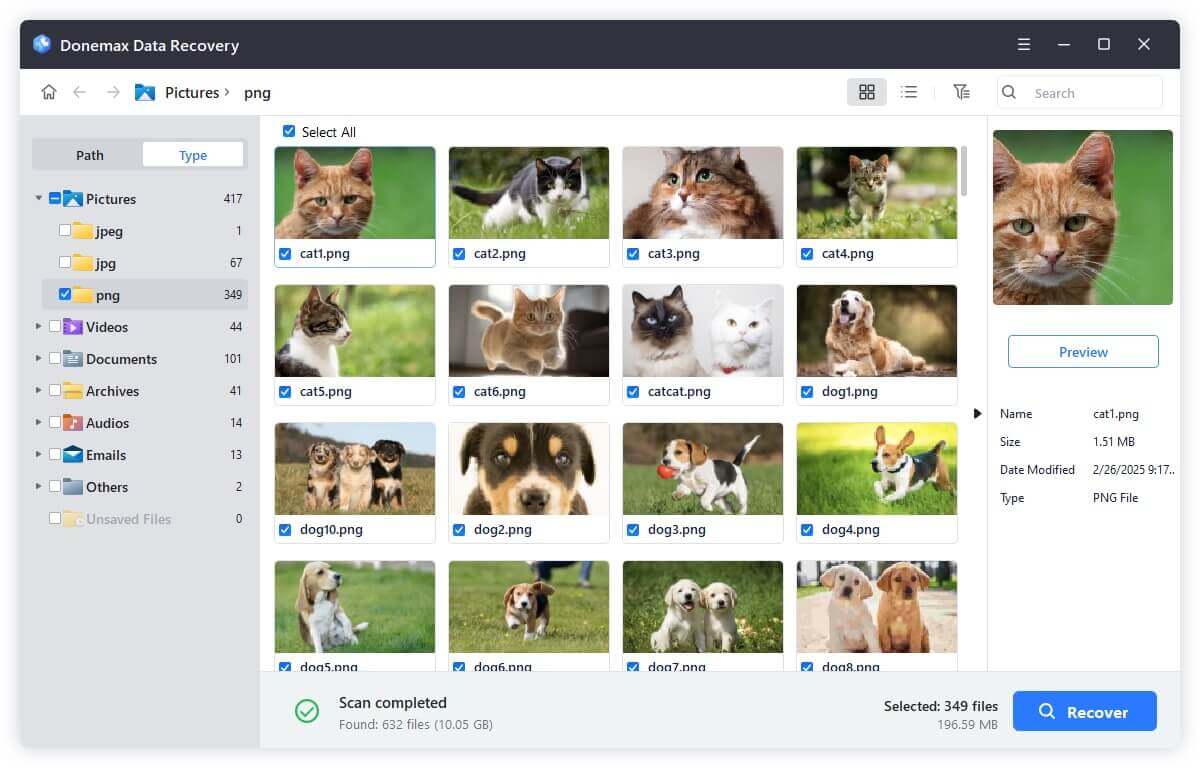
💡 Note: If you have lost data due to formatting the Seagate or WD external hard drive, just run a data recovery program to scan the drive to get all lost data back.
Step 1. Download and install Donemax Data Recovery on your computer, then run it.
Step 2. Open Donemax Data Recovery, select the WD or Seagate external hard drive. Click on Scan button to deeply scan the formatted WD or Seagate external hard drive.
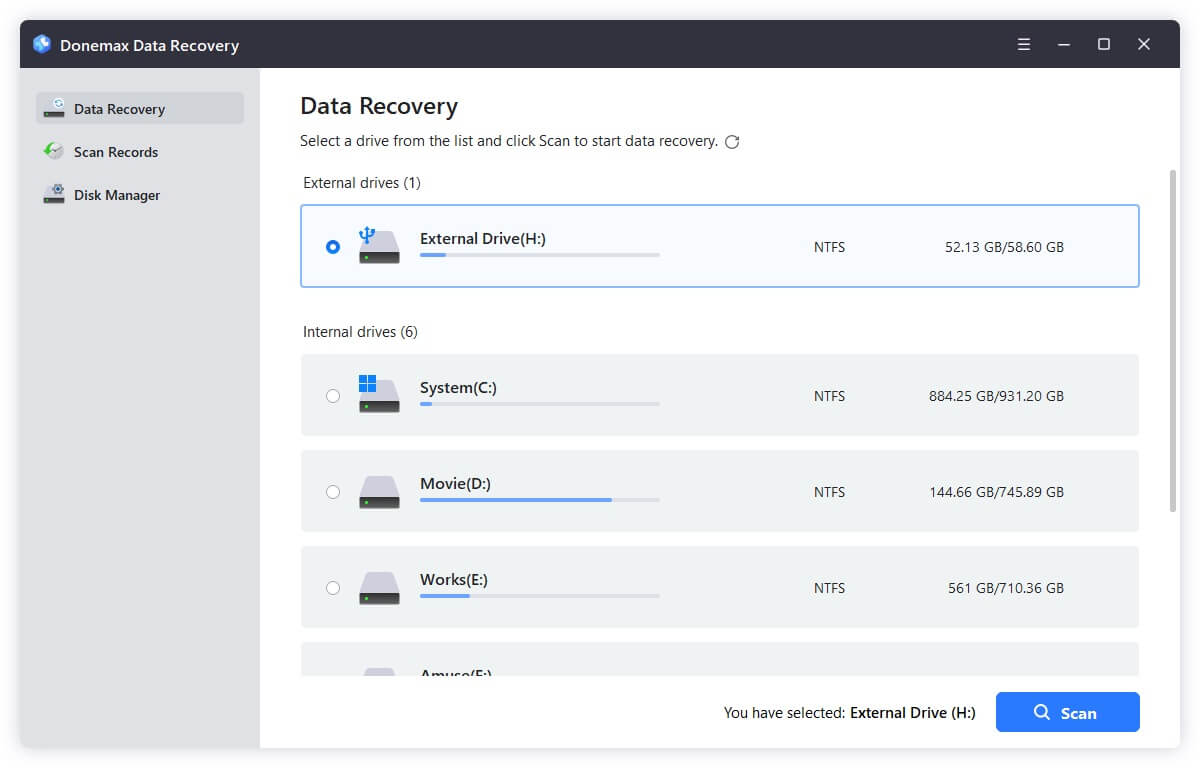
Step 3. Once the scan is completed, you can preview all recoverable files, then select the wanted files and click on Recover button to save them.
External drives, particularly HDDs, can develop physical problems over time. Monitoring the health of your drive can alert you to impending failure or indicate if your current slowdown is due to wear and tear.
Use Diagnostic Tools:
If the diagnostic tools reveal that your drive is nearing failure, it’s important to back up your data and consider replacing the drive.
By default, Windows uses the "Quick Removal" policy for external drives, which prioritizes safe removal over speed. You can change this setting to "Better Performance" for faster data transfer, though you'll need to ensure you safely eject the drive every time before disconnecting it.
How to Change the Policy:
If your computer is running resource-intensive tasks, it can slow down both the system and connected external drives. Ensure you aren't overloading your system while transferring files or using your hard drive.
📍 Tips:
If your external hard drive is an older HDD and you still find the speed lacking even after trying the above fixes, consider upgrading to an SSD. Solid-state drives are faster, more durable, and don't suffer from mechanical wear and tear like HDDs.
Once you've restored your drive's performance, it's important to implement preventive measures to ensure it remains fast and functional.
1. Regular Maintenance - Perform regular cleanups and defragmentations (for HDDs) to keep the drive in optimal condition. Additionally, ensure the drive is kept free of malware by running periodic virus scans.
2. Avoid Overloading the Drive - Try not to fill your drive beyond 80% of its total capacity. Drives that are close to being full will always experience slowdowns.
3. Use Reliable Cables and Ports - Ensure you're always using high-quality cables and compatible ports for the best speed. Avoid using low-quality or damaged cables, as these can slow down data transfer rates.
4. Safely Eject the Drive - Always safely eject your external hard drive from the computer before unplugging it. Sudden disconnections can lead to data corruption, which can slow down the drive over time.
A slow Seagate or WD external hard drive can be frustrating, but by identifying the root cause and following these steps, you can dramatically improve the drive's speed and performance. From checking cables and ports to running diagnostics, these solutions cover both simple fixes and more advanced troubleshooting methods. Taking preventive measures like regular maintenance and mindful usage will also help you extend the lifespan and efficiency of your external hard drive. If all else fails, it may be time to consider upgrading to an SSD for faster, more reliable storage.
Donemax Data Recovery
Powerful, safe & easy-to-use data recovery software. Easily and completely recover deleted, formatted, or other lost data. The tool supports PC, Mac, HDD, SSD, USB drive, camera, SD card, RAID and other storage devices.
Christina
Christina is the senior editor of Donemax software who has worked in the company for 4+ years. She mainly writes the guides and solutions about data erasure, data transferring, data recovery and disk cloning to help users get the most out of their Windows and Mac. She likes to travel, enjoy country music and play games in her spare time.
Gerhard Chou
In order to effectively solve the problems for our customers, every article and troubleshooting solution published on our website has been strictly tested and practiced. Our editors love researching and using computers and testing software, and are willing to help computer users with their problems